Just In Time for St. Valentine’s Day

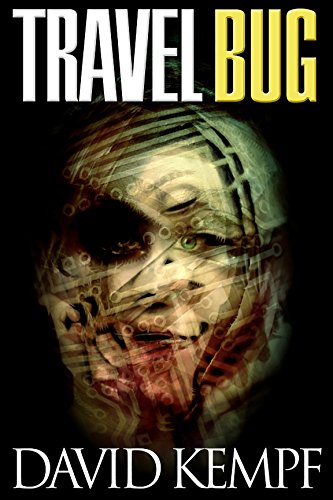
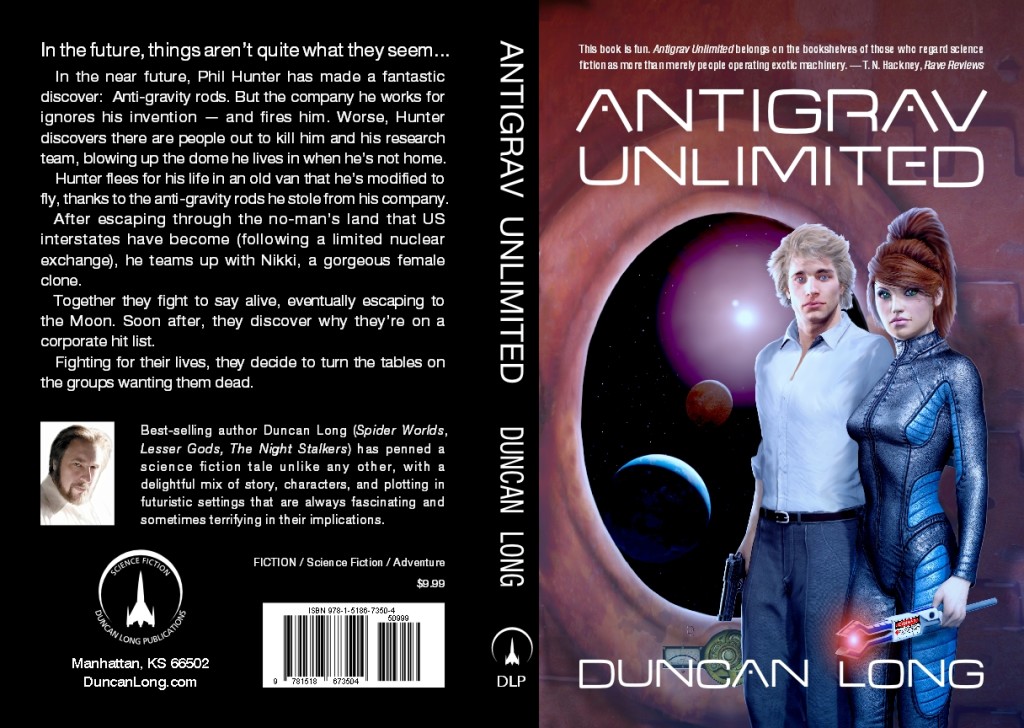
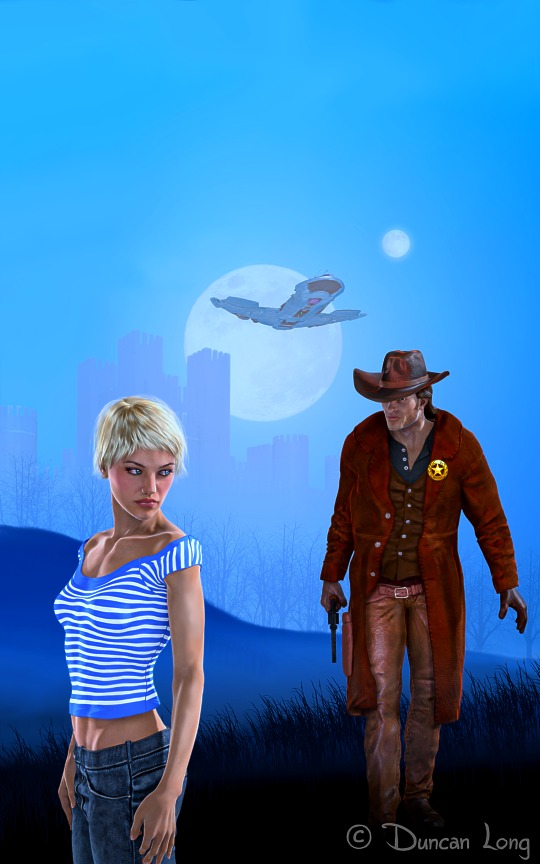
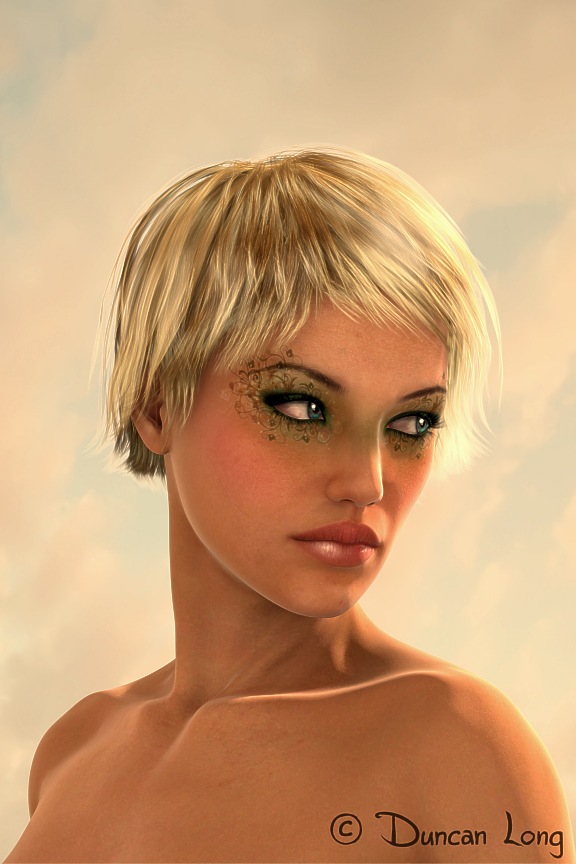
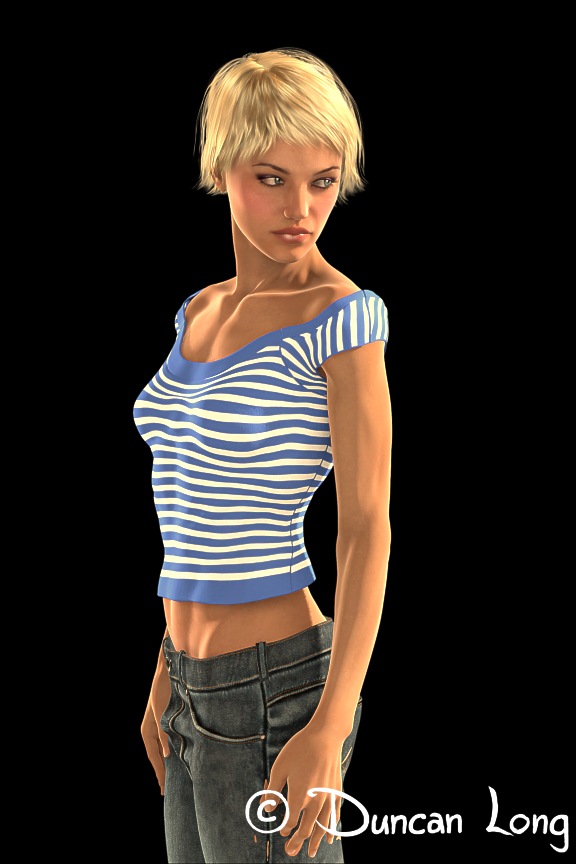
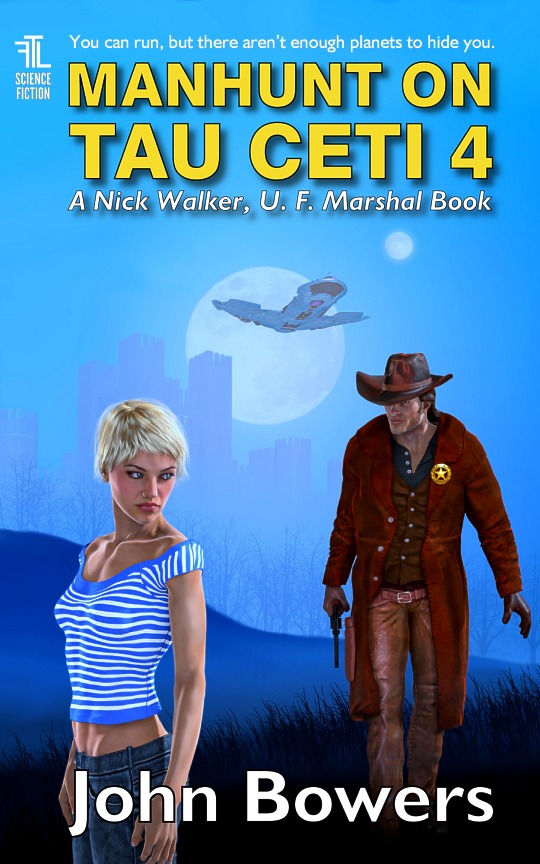
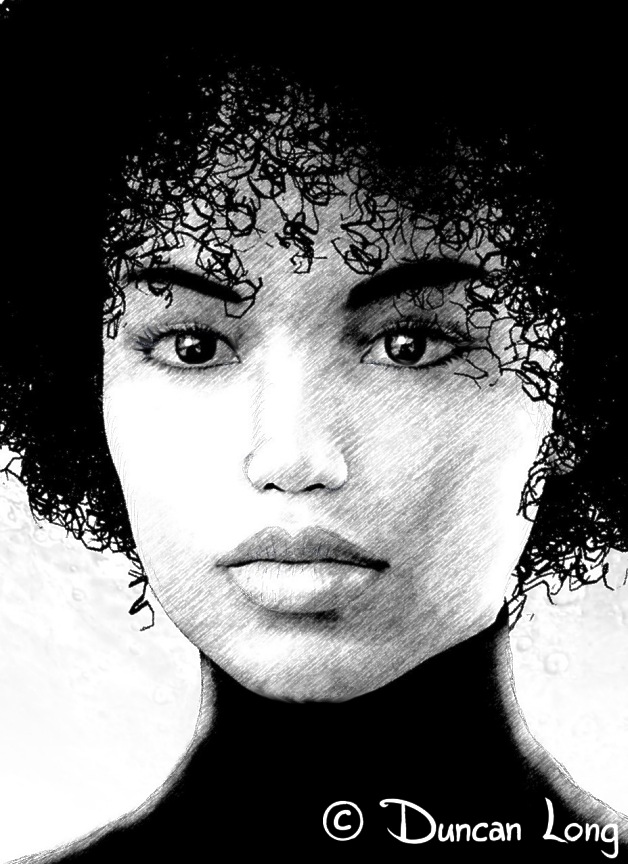
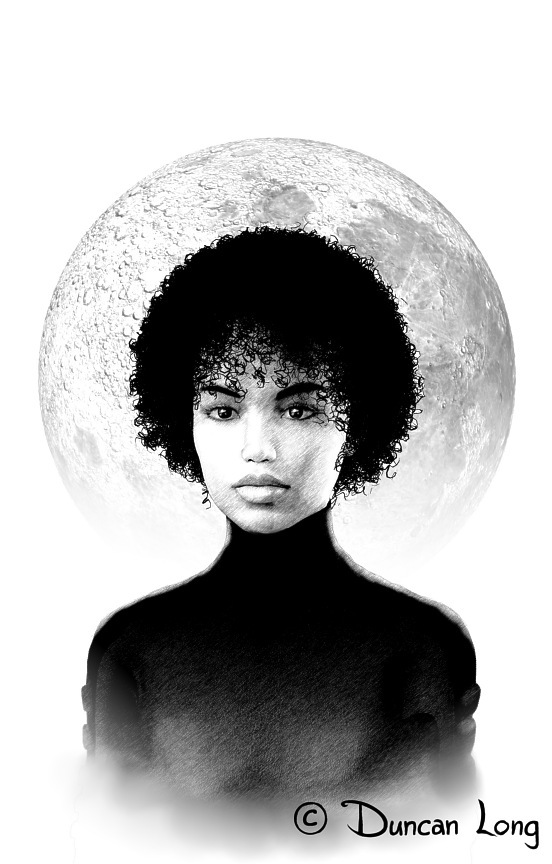
Life Lived-book cover illustration by book artist and illustrator Duncan Long

Here’s a novel written for those wanting to know what it’s like to have a sociopath in your love life.

Yes, I did the cover illustration.

Perhaps the book’s author knew about my sociopathic tendencies.

A Life Lived Ridiculously can be purchased from the author’s website www.ridiculouslife.net, or through Amazon or through Barnes & Noble.

Sample chapters are also available at the author’s web site.

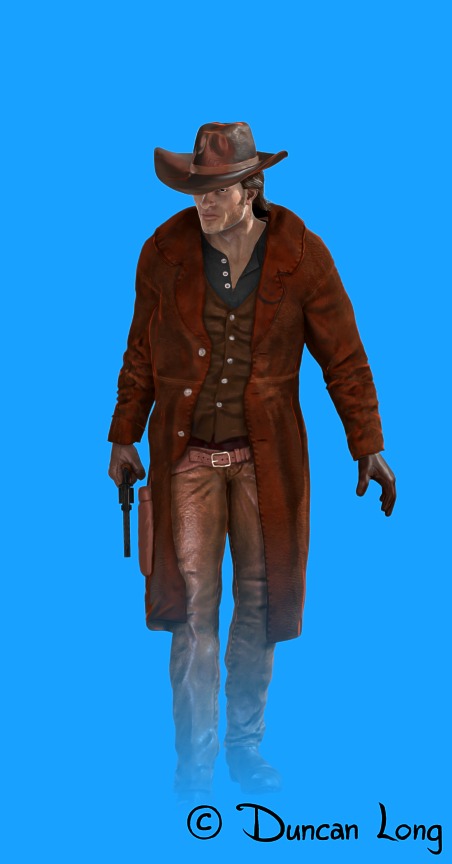
This illustration has a little bit of more of a cartoon feel to it than with much of my artwork. I’m not quite sure why since the characters are pretty realistic. I think perhaps it’s because of the gal’s wide-eyed look and rounded hairdo which both tend to look a bit like that of a cartoon character. Possibly the somewhat skewed perspective promotes this feeling as well. And of course the white background.

At any rate, it’s nice to see my artwork on a novel like this and hopefully this book will help readers who have to deal with the ruthless (if not dangerous) people that are out there in the dating arena.
====================
When not enjoying his life as a sociopath, Duncan Long creates realistic illustrations book and magazine covers. His artwork has appeared on a number of books from self-publishing authors as well as large presses. See more of his book illustrations at: Duncan’s Book Illustration Portfolio
=====================


Tags: , , , , , ,

Leave a Comment

The Advantage of the Little Guy in Publishing

Union-DuncanLong-Asimov'sInsert a-033

Cover Illustration for Asimov's Science Fiction Magazine - Duncan Long

As noted in a previous post, the average book printed by a large publisher averages about 40 percent returns from book stores and other sellers in the USA. In other words, for every 100 books printed by a big press, on an average only 60 are sold.

What happens to the other 40 percent?

Oddly enough, the entire book isn’t returned to the publisher. Only the cover (which one saw noted is rather like a car dealership returning the hood of a car to the car manufacturer for a full refund). How did such a system ever get started? Who would ever think it a viable business model?

Back in the 1930s during the Great Depression, nickel and dime stores, drug stores, as well as book stores weren’t buying many books, magazines, or comic books from publishers. The small businesses were afraid they’d be stuck with products that couldn’t be sold. Consequently, they purchased fewer and fewer publications from publishers.

Knowing that more books and magazines could be sold then the stores were buying, publishers came up with a bold plan to increase sales: They offered full refunds on books and magazines that weren’t sold and to minimize the cost of shipping publications back for a refund, they allowed the refund to be made if only the cover of the publication was returned (with buyers on then honor system to trash the rest of the publication).

This new practice worked very well, and basically saved many publishers because sales abruptly increased once the sellers learned they had nothing to lose if they ordered a few more books or magazines than they could sell. They ordered a few extras that might very well sell — and often they did sell.

It was a brilliant idea that put more money into the pockets of seller and publisher alike.

The disaster came later. The plan was never abandoned once the economy got back on its feet and continues for most large presses even today here in the US. Not only do publishers give full refund, the book seller still has to return only the front cover of the book or magazine to get their money back. So unlike an actual return of products which then might be sold as used or at least recycled, the publisher has only a cover to show for its efforts.

(On a side note, while the books with covers torn off are supposed to be trashed, those working in book distribution warehouses or at book stores often have huge private libraries of coverless books. And in the past, one would occasionally see bootlegged coverless comic books sold in little packs at bargain prices; as a child I can remember buying such bonanzas in gas stations. My dad who was a kid during the Great Depression occasionally sneaked behind the local drugstore to raid the dumpster of coverless comics for some extra reading material.)

More recently this system has apparently allowed “gaming” the system. Some believe that on occasion the the word has gone out that such-and-such a book should be made a “Best Seller.” Stores order many more copies of a book than they could possibly sell.

This gives a huge boost to the apparent sales of the book, puts it into the best seller list, and then if everyone is lucky the public turns out to buy the book that seems to be the new discovery of readers everywhere. But if the book gets panned and the buyers don’t arrive to slurp copes up, huge numbers of the title are returned and the publisher takes a bath.

Thus, a “best seller” may actual sell poorly if the system has been so manipulated, and the publisher can lose vast amounts of money even though it was a “best seller.”

All this means that books from large presses are likely priced almost twice as high as they would be without refunds.

On the plus side for small presses and self-publishers who do not adopt the big presses’ return policy, it is possible to compete with the big publishers due to reduced waste through the cover-return-refund policy. Likewise, magazines or book companies that sell through catalogs or via subscriptions can realize nearly 100 percent sales on their products as compared to the 60 percent suffered by the big presses.

Of course the big publishers might quickly turn things around if they ever dictate no more returns unless the whole product is shipped back. With the high cost of shipping books back to the publisher, coupled with the work of boxing them up and taking them to a shipping company, that would likely force book stores to make reasonable orders for books and push the percentage of actual sales without returns way up.

Yet, with the economy teetering some days, some fear a new great depression may be just over the horizon. If so, it may have a silver lining for the big publishers since, with their return policy in place, they might once again to the cat bird’s seat.

One thing for sure, the publishing industry and the marketing of books never gets boring.

====================
When not plotting the overthrow of the publishing industry, Duncan Long works as a writer/illustrator. He’s seen 12 novels published by HarperCollins and has had over 1,000 book and magazine illustrations published by HarperCollins, Asimov Science Fiction Magazine, Delta Press, Pocket Books, ILEX, Paladin Press, etc., etc.) You can enjoy more of Long’s magazine and book illustrations at: Duncan’s Book and Magazine Illustrations
=====================


Tags: , , , , , , , , , ,

Leave a Comment

Random Thoughts: Publishing and the Publishing Biz

Another round of articles that try to look into the future of publishing… And one with thoughts about the proper price for an eBook and another on which is better for text, Serif or Sans Serif (the answer is not as simple as you might think):

The Book Publishing Industry of the Future: It’s All About Content

The future of Books, Today

Short Cuts: Will the Marketplace Bring an End to New Literary Books?

Book Business Outlook For 2012: Hard Work Ahead

What’s the Right Price for Ebooks?

Which Typeface Is More Legible, Serif or Sans Serif?

====================
Duncan Long has worked for several decades as a writer/illustrator during which time he’s had 13 novels published. He’s also created over 1,000 book and magazine illustrations for HarperCollins, Asimov Science Fiction Magazine, The Sun, ILEX, and self publishing authors. You can explore many of Long’s book illustrations online at: Duncan’s Illustration Portfolio
=====================


Tags: , , ,

Comments (4)

5 New Horror Illustrations Looking for a Home

Thrice Told Tales a book cover illustration by book artist Duncan Long

Thrice Told Tales - Duncan Long

From time to time, I create new illustrations “just for fun” with the hope that eventually they’ll find a buyer. This generally proves a good investment of my time with most such pictures eventually finding a home on a book or magazine cover. The plus of these self-directed illustrations is that they’re produced more quickly since only my mental vision is in play rather than that of a publisher or art director. Basically these do-it-yourself pieces of art cut out the middle man.

In doing such work, I am often reminded of the old story that Michelangelo, when asked how the statue of David was carved, replied, “It’s simple. You just chisel away the marble that doesn’t look like David.”

Basically I start with the vision I want to see, and then push electrons around on my digital tablet until that picture appears on the monitor.

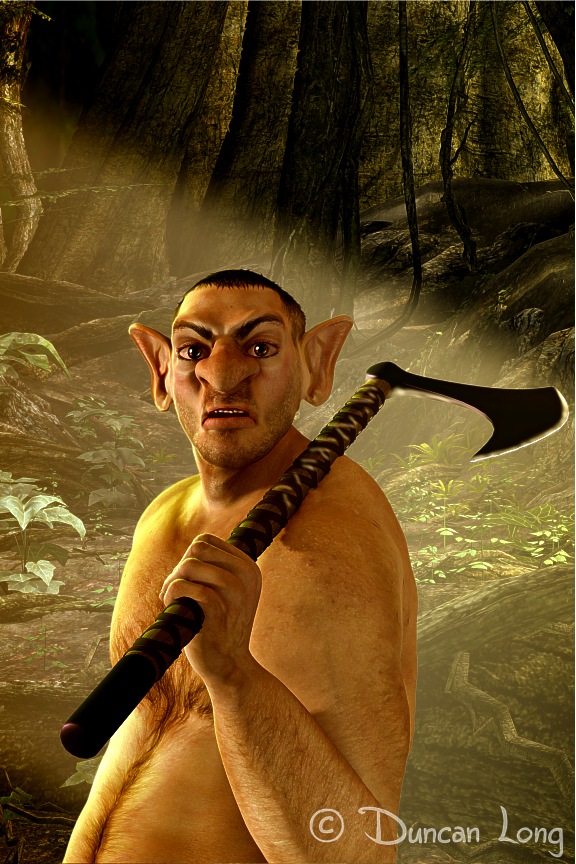
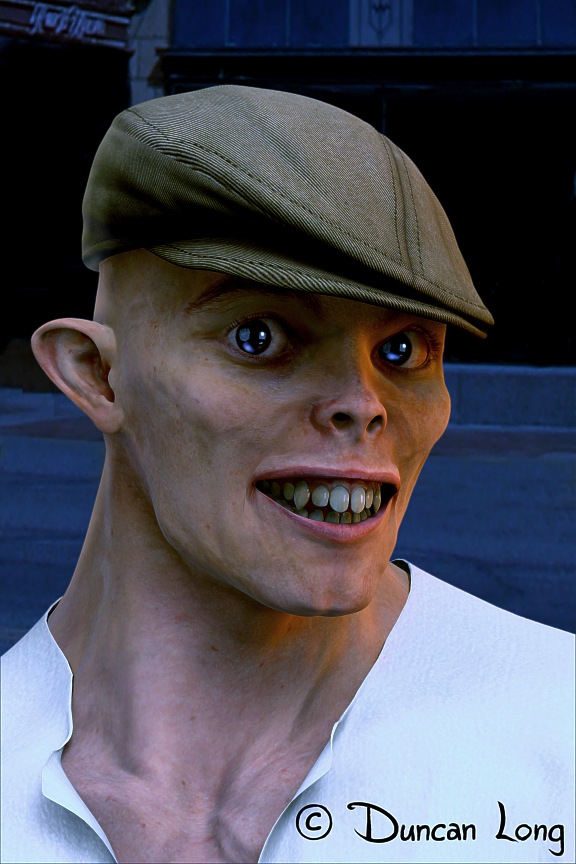
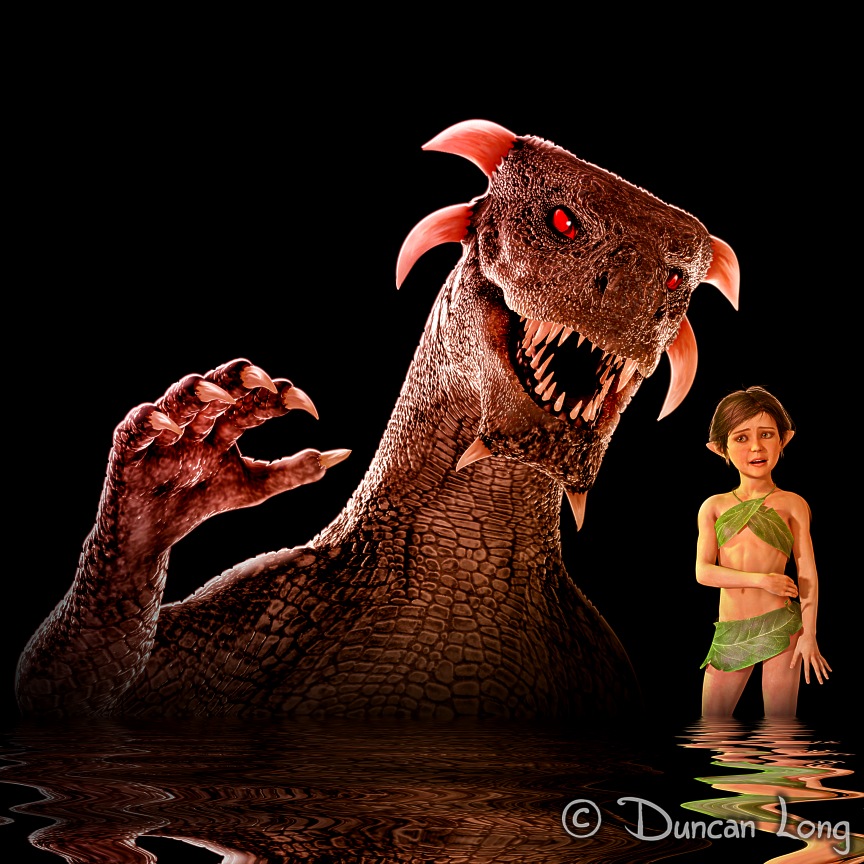
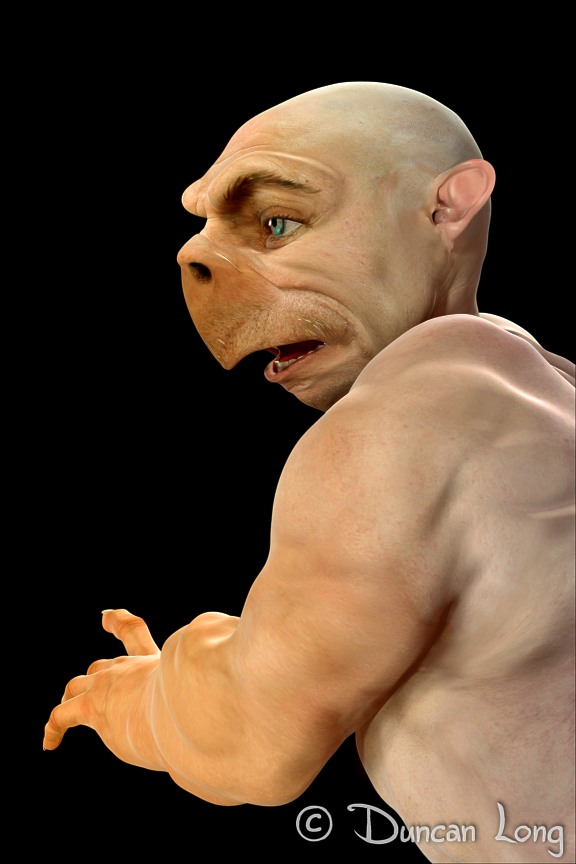
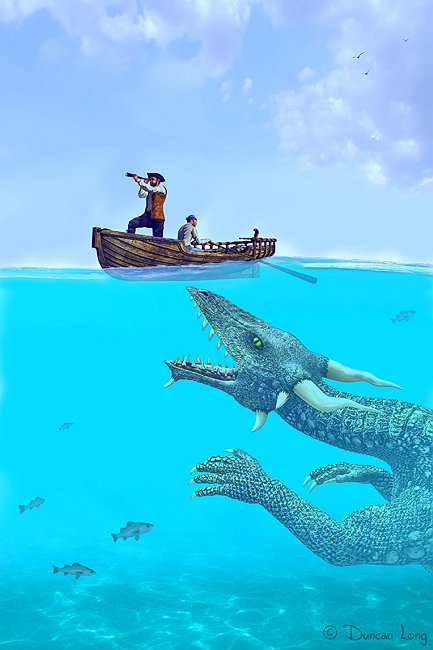
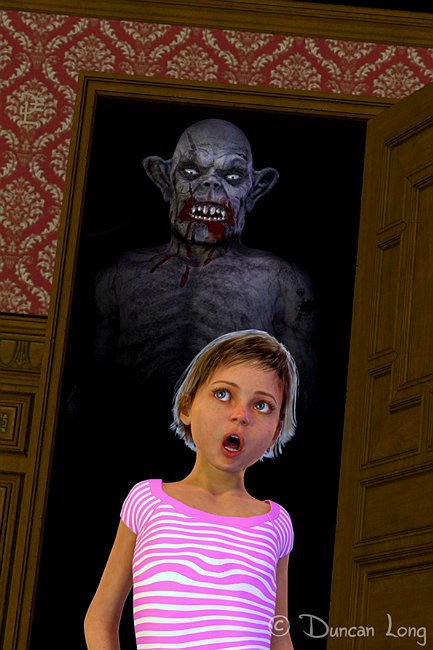
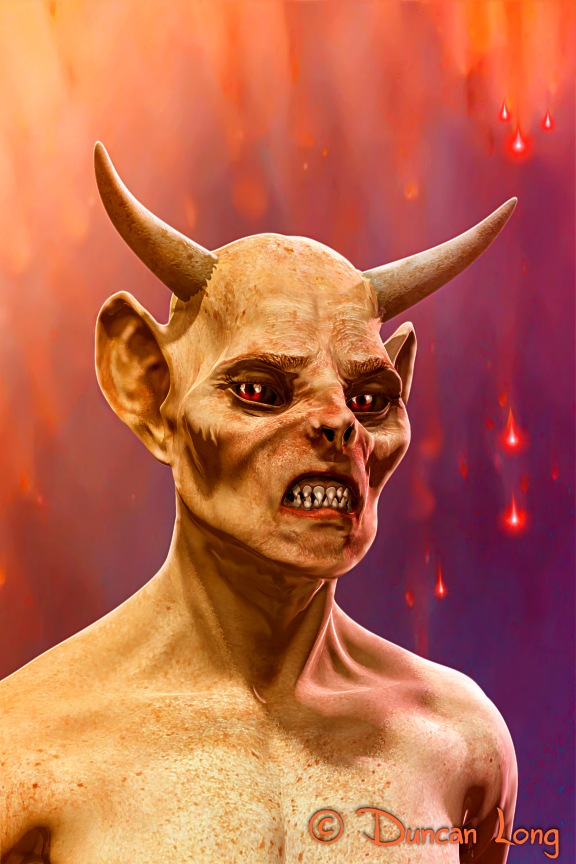
Since my online horror gallery needed to be replenished, this round of painting was done with an eye toward that genre. Confession: I always feel a little guilty about producing horror illustrations, in part because they are so far removed from the beauty around me and the joy I have in life. Also, such illustrations seem almost obscenely easy to create since anything a little out of the norm starts to seem ugly, horrifying, and/or troubling to the human mind. We each have a mind’s eye conception of beauty, and when that ideal is a little off the mark, the brain starts to feel fear and revulsion.

So horror artwork is basically a job of creating things that aren’t quite right. Anti-perfectionism, if you will.

That said, polishing the rough draft of such artwork so it looks “real” is the flip side of this coin, so in the end the illustration must have the same polish and reworking that would go into a beautiful face or scene. I’m not sure what the moral of the story is, but the process is perhaps a little strange at best.

Precious Ties -- artwork by book illustrator Duncan Long

Precious Ties -- Duncan Long

Pig god book cover artwork illustration by book illustrator Duncan Long

The Pig God - Duncan Long

Strange Lights In the House book cover artwork illustration by book artist Duncan Long

Strange Lights In the House - Duncan Long

Will You Still Love Me? - an illustration by artist Duncan Long

Will You Still Love Me? - Duncan Long

====================
Duncan Long loves creating book cover artwork but feels guilty painting horror illustrations. His artwork appears on book cover designs from HarperCollins, PS Publishing, Pocket Books, Moonstone Books, and Enslow Publishers. You can see more of his illustrations in Duncan Long’s Portfolio
=====================


Tags: , , , , , , ,

Comments (6)

The Secret of Success (for Authors)

"The Narrator" an illustration by artist Duncan Long for Poe's Poem

I’ve been working in the publishing business for several decades. While I’m now making my living mostly as a book illustrator, I’ve had the good fortune to see over 100 of my own books go to print, including 12 novels with HarperCollins and another with Avon, and a slew of technical books and how-to manuals with Paladin Press, Delta Press, Lyons Press/Globe Pequot, and others.

I’ve had the pleasure of ghostwriting over a dozen titles for TV, radio, and stage celebrities. Some of my technical manuals even wandered into the private libraries of the CIA, US Marines, FEMA, the FBI’s FTU (Firearms Training Unit), and other government agencies. Excerpts from a couple of my books have appeared in US Congressional hearings (this last possibly being in the “mixed blessings” column).

Part of my success has been due to powers beyond my control; I was at the right place at the right time and the Lord took pity on my feeble efforts. Some of the gigs were due to the need for illustrations with text — I could supply both and thus landed some jobs by default. Being ready to tackle a job at a moment’s notice when it’s offered has been key sometimes.

But my biggest secret for success, and one any budding writer or even a pro can always put to good use, is persistence. I’ve seen talented writers fall to the wayside because they lacked the ability to keep on keeping on; I’ve seen less talented authors get into print because they pushed ever forward no matter what the difficulties.

Persistence is the key to getting into print.

One secret built on this, which I recommend for any writer to follow, is to set a daily “quota” of pages to write, and then stick to it. Write that many pages of rough draft each day. Inspired or not, sick or well, your quota of pages must be produced.

The number of pages in your quota is up to you — make it something you have time to do. It might be one page. It might be ten. But whatever the number, try to write that many pages each day.

And within a year (or perhaps much sooner), you’ll have a book manuscript.

One other trick I’ve employed to get started writing at the start of the day is to review the last ten pages I’ve written the day before, making changes and corrections as I go through the material. By the time I reach the end of my proofing, I’m almost always ready to commence writing new material.

If you want to become a published author, you must have something to publish. Folks who are going to write a book when they have the time almost never do. The people writing their book will eventually have something to show for their efforts.

Make the time to write, and then make yourself write during that time. You can’t wait for the Muse to arrive. Instead you grab her by the hair and drag her to the party. Persistence is the key to producing your manuscript.

Ditto for submitting that manuscript to publishers — or self publishing it. Neither can happen if you don’t take steps to make it happen. The world won’t beat a path to your door to ask if you have a manuscript buried in a desk drawer. You must send your collection of pages on their appointed rounds.

And if you’re persistent, each rejection takes you one step closer to success.

If you want to be a successful author, learn to keep on keeping on.

====================
Duncan Long has worked for several decades as a writer/illustrator with 12 novels published by HarperCollins and over 1,000 book and magazine illustrations published (HarperCollins, Asimov Science Fiction Magazine, Pocket Books, ILEX, Moonstone Books, etc., etc.) See Long’s book illustrations at: Duncan’s Book Illustration Portfolio
=====================


Tags: , , , ,

Comments (15)

“Alas, poor Yorick, the Zombies are coming!”

Zombie attack - artwork illustrations by illustrator Duncan Long

Alas, poor Yorick! I knew him, Horatio, a fellow of infinite jest, of most excellent fancy. He hath bore me on his back a thousand times, and now how abhorr’d in my imagination it is! — Hamlet

This marks the first day that I’ve finally separated from Facebook after using it for over a year. Facebook withdrawal pains may soon begin.

OK. I know. Many make light of the “friends” one might make via social media. “Imaginary friends for adults,” they’ve been called.

But for me, many close friendships were establish via Facebook. I enjoyed daily banter with fellow writers, artists, editors, and others in the publishing business (not to mention conversing with old friends, classmates, and family members who are on Facebook).

Yes, many genuine friends.

So leaving Facebook has proved something akin to moving from your old neighborhood to some distant shore.

Given that truth, it may take a bit of willpower to stay away from Facebook for even a month. My goal is to remain away for at least long enough that I can slink back without too much loss of face.

No, wait. My real goal is to leave Facebook altogether (that was the drug that is Facebook talking before).

So now I sit in my studio/office typing away like the guy that thinks he’s beaten the habit after going just a few hours without his fix. (“Hello, I’m Duncan and I’m a Facebookaholic.”)

I didn’t just delete my account, however. When I go offline for even a few days I get all sorts of frantic emails asking if I’m dead (hint: if I’m dead I likely won’t answer your frantic email). So, rather than start a blind panic… Oh, okay. Rather than start dancing in the streets, I told everyone I was leaving the network within a few days.

Which prompted some tearful goodbyes — and one friend suggesting I’ll likely get three times as much done. (That may be true. Facebook can become a time vampire and that’s one of the reasons I left.)

Now I’m alone in my office with no virtual friends looking back at me from the monitor. I feel like the last man alive after a zombie holocaust.

Lots of time to for the work I love.

No distractions.
If we carry this scenario to its conclusion, this also means I still have to find the last woman alive and battle the zombies to the death (or re-death — whatever zombies die from). But I’m not worried about that just yet. It won’t happen for another reel or two.

Meanwhile, future posts to this blog may change somewhat from their previous form. Yes, I’ll still offer (with all humility) my amazing insights and thoughts about the publishing industry; but I’ll also include more links to publishing-related news and how-to.

Other changes: Please note the bar to the upper right of this page; you can now subscribe to my blog, either getting a copy of each post periodically placed in your email box (where it can be conveniently dropped into the trash file with a minimum of fuss), or pushed to you via Google, Pageflakes, Feed, Windows Live, Netvibes, Bloglines, My AOL, My MSN, and numerous other services that most of us are likely totally clueless about.

Also, below this blog entry, you’ll discover a share bar for sending notices of blog posts to Facebook (ahem), LinkedIn, Twitter, or any of a zillion other lesser-know services.

My shorter quips and heads-up comments (which I’ve been posting on Facebook up until now) will be ported to Twitter (for those who wish to subscribe, you can follow my tweets here: @DuncanLongArt). For those who like to hear their friends groan, this will be a good source of material.

I’m hoping perhaps a few of my Facebook friends will be lured to subscribe to my blog and/or my tweets. You know who you are. You’re always welcome.

Unless you’ve turned into a zombie.

Then all bets are off.

As for those friends I’ve left behind at Facebook, with all apologies to the old bard for misquoting his script, “Alas, poor Facebook friends, I knew you well.”

=====================
When not misquoting Shakespeare and fighting zombies through a Facebook-induced haze, Duncan Long harasses editors and self-publishing authors, also easily mistaken for the undead. See his book artwork and illustrations at: Duncan Long’s Portfolio
=====================


Tags: , , , , , , , , , , , ,

Comments (5)

6 Excellent Articles About Book Layout and Text Design

Blue Fairy Tale graphic design book layout of text by Duncan Long

Good book layout is partly an art but mostly a craft. This is especially true of the inner pages where things have been done pretty much the same way since Gutenberg cranked out his first books. If a designer knows and applies the rules, the reward is book text that “looks right.” If the rules are ignored, the result is an amateurish layout that can be painful to see, and which reflects poorly on the author and his book.

Fortunately, the rules aren’t too hard to learn.

I recently discovered a site that has the rules spelled out for the reader in a very enjoyable and admirable manner (reflecting in large part not only the knowledge of the writer, but also his ability to properly sling text onto the page).

Author/designer Dave Bricker has written six excellent articles in regard to the basics (and beyond) involved in laying out the text in a book. Those engaged in such work would do well to study these articles and apply the rules to their own work. Rather than parrot and rework the material in these articles, I decided it best to simply direct readers to the original articles:

Book Design Basics Part 1: Margins and Leading
Book Design Basics Part 2: Optical Margins, Indents and Periods
Book Design Basics Part 3: Running The Numbers
Book Design Basics Part 4: Dashes, Hyphens and Dots
Book Design Basics Part 5: Small Capitals – Avoiding Capital Offenses
Book Design Basics Part 6: Drop Caps and Initial Impressions

Finally, I should note that while one often hears the old say that rules are made to be broken. In this case, a designer ignore the rules only if he hopes his work appears to have been laid out by a yokel.

A graphic designer Ignore the rules of good book design at his own risk.

====================
Although best know for his book illustration work, Duncan Long also lays outs book cover text and occasionally whole books including the text. View samples of his book layouts — as well as his illustrations — at Duncan Long’s Book Cover Portfolio
=====================


Tags: , , , , , , , ,

Comments (6)

John Chadwell and a Pair of Book Covers

John Chadwell with book cover illustrations for his novels - Book cover artwork by Duncan Long

Some time back book author and screen writer John Chadwell sent me a photo (above) that I thought I’d share. As you can see, he’s standing in front of the book and graphic novel covers I created for his action-adventure novel and graphic novel.

And, yes, that’s his Facebook page showing there on the monitor at the lower right.

John has a lot to smile about with both the scripts for these stories making the rounds in Hollywood.

I’ve joined him in crossing fingers with the hope that Hunt of the Seawolves and The Werewolves of New Idria will soon be coming to a theater near you.

(You may also wish to see some of the artwork that went into the graphic novel version of The Werewolves of New Idria.)

=====================
Duncan Long is a novel cover artist and graphic novel illustrator with book cover artwork appearing with PS Publishing, Pocket Books, Moonstone Books, HarperCollins, and many self-published authors. See more of Duncan’s book cover artwork and graphic novel illustrations at: Duncan’s Book Cover Illustrations and Graphic Novel Artwork
=====================


Tags: , , , , , , , , , ,

Comments (1)

Book Publishing in 2011 — and 2012

Spacescape 13 -- Book cover illustration by book cover designer Duncan Long

Ebooks did well in 2011, and I suspect with all the ebook readers that were handed out by Santa Claus this Christmas, they’ll be in very solid footing in 2012. Many in the publishing industry are expecting that in the not too distant future, ebooks will be outselling print in most markets with the exception of the “coffee table” books with lots of pictures, over-sized layouts, or such where print will likely remain king for some time to come.

2011 also saw several unknown authors break out and sell over a million ebooks with their new titles and self-marketing sans agent and big publishing house. So it appears there really is a major upside potential for self-publishing authors in 2012. It will be interesting to see how many more break this million-sales barrier. .

I think there are several key elements that can help improve the selling potential of any title whether self published or printed by a large established press. The first is the self-promotion of the book – and to some extent the author – to potential buyers.

The second is to be sure the book is well written and carefully edited before going to print. Of course big presses pretty much handle this angle (though they expect manuscripts to be pretty error free when submitted — which was not the case 50 years ago when a lot of the polishing and proofing was done by the publisher). Consequently, authors wanting their book to do well in today’s marketplace often find themselves hiring someone to proof and perhaps even editor their manuscript.

The third essential is that the book should have a professional, attractive layout, especially with the cover. While most large presses do well with this, I can tell horror stories — and it seems a sizable chunk of my business in 2011 came from authors looking for a cover illustration that was better than that offered by the press handling their title.

And there’s little wonder that savvy author’s are concerned about the cover for their book. An attractive cover can be key to a book’s success these days. Competition is intense with more and more authors self publishing. Because of this, the quality of the cover has become the new “gatekeeper” by which potential buyers/readers of a book judge its quality. This is especially true for fiction.

If an author wants to meet with success, then no little effort needs to be placed toward achieving each of these key components. That’s the only way for an author to get ahead of the pack and have a chance of making serious money, especially in the case of a self-published book.

The old idea that an author can simply write a good story and then meet with great success is long past (if it ever was true). Today an author must carefully polish his manuscript, promote the tome, and be sure it has a professional layout and cover if it is to have any chance for becoming a runaway hit.

Here’s wishing my readers and clients a very prosperous 2012 — with lots of new ebooks and print books that soar as high and free as their authors want them to.

====================
Duncan Long creates book cover illustrations and often lays out entire covers for presses and self-publishing authors. His work appears on books from HarperCollins, PS Publishing, Pocket Books, Moonstone Books, and Enslow Publishers. See more of his illustrations and book cover design at Duncan Long’s Book Cover Portfolio
=====================


Tags: , , , , , , ,

Comments (3)

How to Create a Kick-Butt Book Cover

Lead Me Not book cover by book cover illustator Duncan Long

Working with an illustrator or artist to create a quality book cover is a big deal, especially for indie and self-publishing authors. The quality of the cover is the new “gatekeeper” that helps readers decide whether a book is going to be worth buying.

A good book cover illustration and layout will attract buyers; a bad cover guarantees poor sales.

Here’s an article that gives the scoop on how to work with an artist to create a kick-butt book cover illustration.

====================
Duncan Long is a book cover illustrator for many self-publishing authors and indie publishers as well as larger presses including HarperCollins, PS Publishing, Pocket Books, and Enslow Publishers. You can see his illustrations online at Duncan Long’s Book Illustration Portfolio

Tags: , , , , , , , , ,

Comments Off